
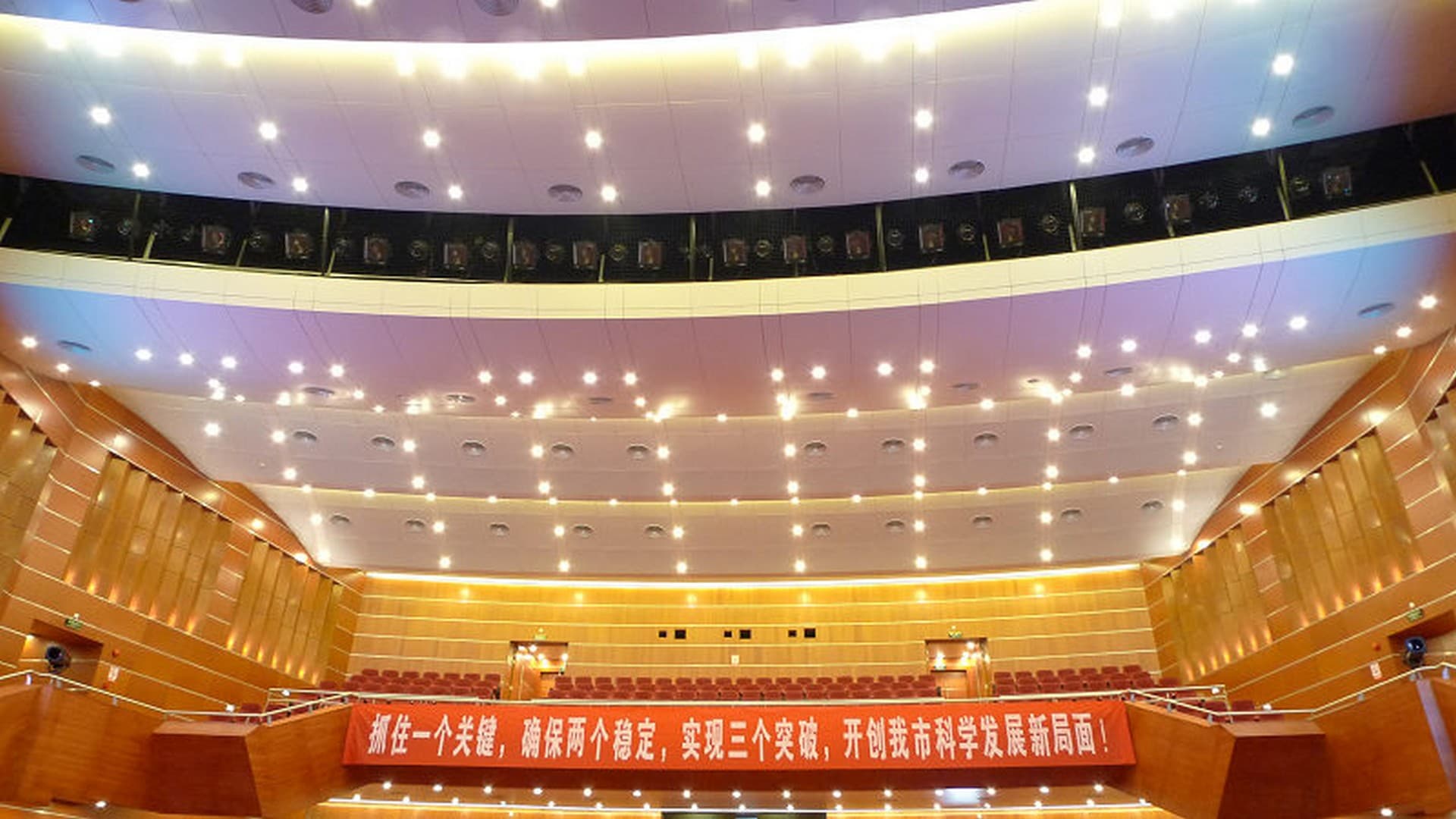
How to Select Commercial Ceiling Materials
Ceiling selection affects project cost, maintenance, safety compliance, and user experience. For commercial buildings, the decision should be structured rather than based on sample aesthetics alone.
Step 1: Define Space Function
Different spaces prioritize different performance criteria:
- Offices – acoustics, lighting integration, modular access
- Retail – brand finish, durability, fast installation
- Healthcare – cleanability, access, infection-control compatible surfaces
- Cultural venues – large-area visual continuity, custom profiles
Step 2: Evaluate Lifecycle Cost
Initial material cost is only part of the equation. Consider:
- Maintenance access time and frequency
- Panel replaceability after services work
- Cleaning method compatibility
- Warranty and local technical support availability
Aluminum systems often deliver lower lifecycle cost in high-traffic public environments.
Step 3: Confirm Compliance Documentation
Ensure the supplier can provide fire performance data, material composition statements, and installation guidance accepted by local authorities and consultants.
Step 4: Align with Project Programme
Lead times, mock-up requirements, and phased handover should be confirmed before final specification. Kirii's Foshan facility supports regional supply for Hong Kong and mainland China projects.
Kirii Product Range Overview
Kirii offers linear, clip-in, wide grid, baffle, and accessory systems to cover most commercial typologies. Custom solutions are available for feature zones and branded environments.
Conclusion
A structured selection process reduces redesign risk and improves handover quality. Involve the ceiling supplier during design development—not only at tender stage.
Speak with Kirii for product comparisons and project references.
Different spaces prioritize different performance criteria:
- Offices – acoustics, lighting integration, modular access
- Retail – brand finish, durability, fast installation
- Healthcare – cleanability, access, infection-control compatible surfaces
- Cultural venues – large-area visual continuity, custom profiles
Step 2: Evaluate Lifecycle Cost
Initial material cost is only part of the equation. Consider:
- Maintenance access time and frequency
- Panel replaceability after services work
- Cleaning method compatibility
- Warranty and local technical support availability
Aluminum systems often deliver lower lifecycle cost in high-traffic public environments.
Step 3: Confirm Compliance Documentation
Ensure the supplier can provide fire performance data, material composition statements, and installation guidance accepted by local authorities and consultants.
Step 4: Align with Project Programme
Lead times, mock-up requirements, and phased handover should be confirmed before final specification. Kirii's Foshan facility supports regional supply for Hong Kong and mainland China projects.
Kirii Product Range Overview
Kirii offers linear, clip-in, wide grid, baffle, and accessory systems to cover most commercial typologies. Custom solutions are available for feature zones and branded environments.
Conclusion
A structured selection process reduces redesign risk and improves handover quality. Involve the ceiling supplier during design development—not only at tender stage.
Speak with Kirii for product comparisons and project references.
Ensure the supplier can provide fire performance data, material composition statements, and installation guidance accepted by local authorities and consultants.
Step 4: Align with Project Programme
Lead times, mock-up requirements, and phased handover should be confirmed before final specification. Kirii's Foshan facility supports regional supply for Hong Kong and mainland China projects.
Kirii Product Range Overview
Kirii offers linear, clip-in, wide grid, baffle, and accessory systems to cover most commercial typologies. Custom solutions are available for feature zones and branded environments.
Conclusion
A structured selection process reduces redesign risk and improves handover quality. Involve the ceiling supplier during design development—not only at tender stage.
Speak with Kirii for product comparisons and project references.
Kirii offers linear, clip-in, wide grid, baffle, and accessory systems to cover most commercial typologies. Custom solutions are available for feature zones and branded environments.