
Clip-in Ceiling Installation: Best Practices for Contractors
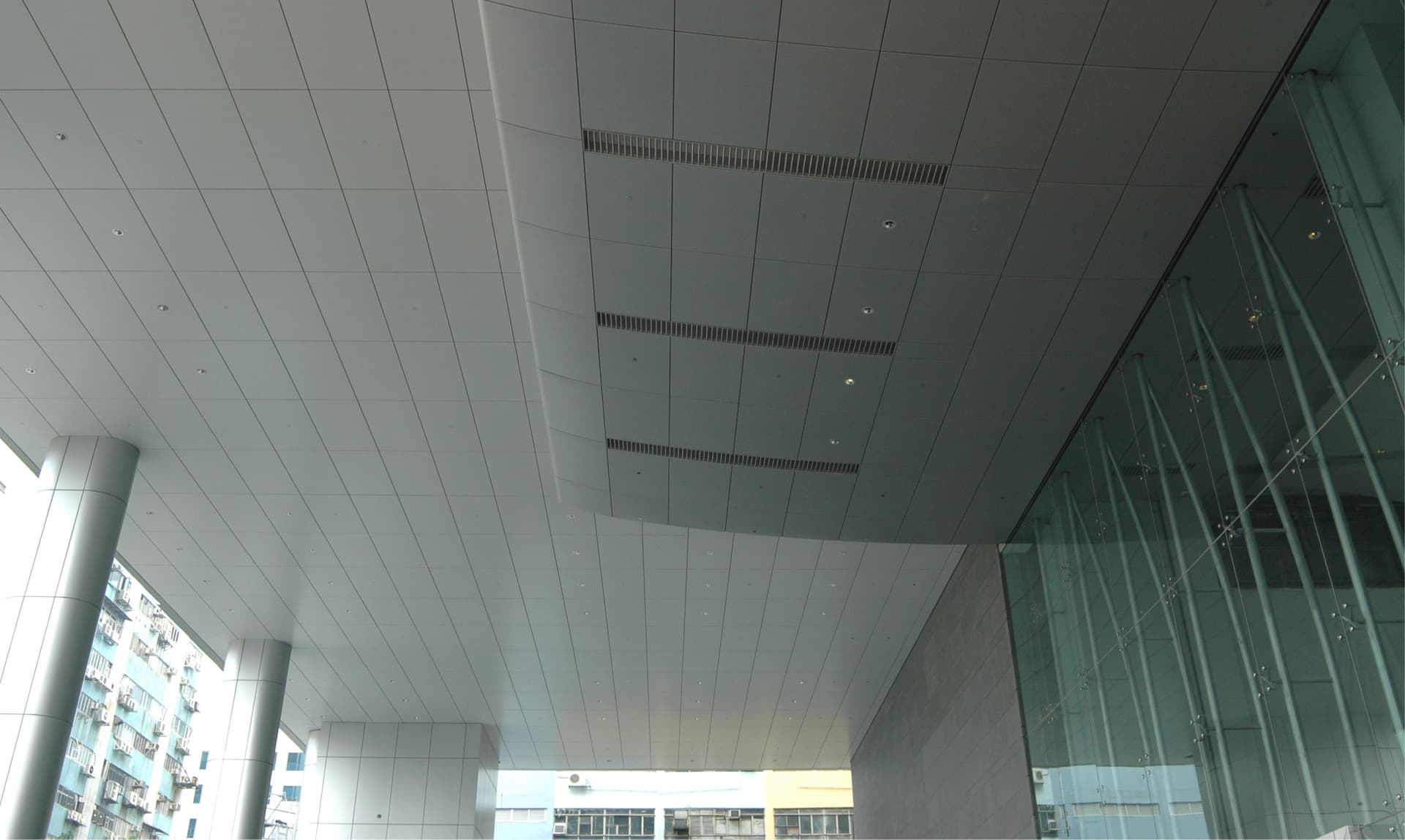
Clip-in aluminum ceiling systems such as Kirii's CP series are popular because they combine speed of installation with easy tile removal for services access. However, performance and appearance depend heavily on substructure quality and installation discipline.
Pre-Installation Planning
Before fixing hangers, confirm:
- Slab level variations and required drop height
- MEP routes, sprinklers, and access hatch locations
- Main and cross tee layout per approved shop drawings
- Fire-rated damper and detector coordination
Grid Alignment and Level Control
Best Practices:
- Establish a master control line at the perimeter
- Use laser levels for main runner alignment
- Maintain consistent hanger spacing per structural load calculations
- Avoid over-torquing clips that can bow panels
Uneven grids are visible under linear lighting and are costly to correct after panel installation.
Panel Handling and Fixing
Aluminum panels should be stored flat and protected from site dust and mortar splash. When clipping panels:
1. Start from a reference corner aligned to the architectural grid
2. Verify clip engagement on all sides before moving to adjacent tiles
3. Cut panels with appropriate tools to prevent edge burrs
4. Label cut tiles near access zones for future maintenance teams
Access Hatches and Building Accessories
Coordinate access hatches and trim profiles early. Kirii supplies matching accessories so ceiling transitions remain visually consistent. Misaligned hatch frames are a common cause of snagging during inspection.
Final Inspection Checklist
- Panel flatness and joint alignment within tolerance
- No visible surface damage or contamination
- Access panels operate smoothly
- Documentation package includes as-built layout and product certificates
Conclusion
Disciplined installation protects schedule, reduces rework, and ensures the ceiling performs as designed. Kirii provides installation guidelines and on-site technical support for major projects.
Reach out to our project team for CP-series datasheets and fixing details.
Before fixing hangers, confirm:
- Slab level variations and required drop height
- MEP routes, sprinklers, and access hatch locations
- Main and cross tee layout per approved shop drawings
- Fire-rated damper and detector coordination
Grid Alignment and Level Control
Best Practices:
- Establish a master control line at the perimeter
- Use laser levels for main runner alignment
- Maintain consistent hanger spacing per structural load calculations
- Avoid over-torquing clips that can bow panels
Uneven grids are visible under linear lighting and are costly to correct after panel installation.
Panel Handling and Fixing
Aluminum panels should be stored flat and protected from site dust and mortar splash. When clipping panels:
1. Start from a reference corner aligned to the architectural grid
2. Verify clip engagement on all sides before moving to adjacent tiles
3. Cut panels with appropriate tools to prevent edge burrs
4. Label cut tiles near access zones for future maintenance teams
Access Hatches and Building Accessories
Coordinate access hatches and trim profiles early. Kirii supplies matching accessories so ceiling transitions remain visually consistent. Misaligned hatch frames are a common cause of snagging during inspection.
Final Inspection Checklist
- Panel flatness and joint alignment within tolerance
- No visible surface damage or contamination
- Access panels operate smoothly
- Documentation package includes as-built layout and product certificates
Conclusion
Disciplined installation protects schedule, reduces rework, and ensures the ceiling performs as designed. Kirii provides installation guidelines and on-site technical support for major projects.
Reach out to our project team for CP-series datasheets and fixing details.
Aluminum panels should be stored flat and protected from site dust and mortar splash. When clipping panels:
1. Start from a reference corner aligned to the architectural grid
2. Verify clip engagement on all sides before moving to adjacent tiles
3. Cut panels with appropriate tools to prevent edge burrs
4. Label cut tiles near access zones for future maintenance teams
Access Hatches and Building Accessories
Coordinate access hatches and trim profiles early. Kirii supplies matching accessories so ceiling transitions remain visually consistent. Misaligned hatch frames are a common cause of snagging during inspection.
Final Inspection Checklist
- Panel flatness and joint alignment within tolerance
- No visible surface damage or contamination
- Access panels operate smoothly
- Documentation package includes as-built layout and product certificates
Conclusion
Disciplined installation protects schedule, reduces rework, and ensures the ceiling performs as designed. Kirii provides installation guidelines and on-site technical support for major projects.
Reach out to our project team for CP-series datasheets and fixing details.
- Panel flatness and joint alignment within tolerance
- No visible surface damage or contamination
- Access panels operate smoothly
- Documentation package includes as-built layout and product certificates