A Practical Guide to Aluminum Ceiling Systems
Aluminum ceiling systems are a core component of modern commercial interiors, especially in high-traffic environments such as MTR stations, hospitals, airports, and office towers. At Kirii Construction Materials (三水桐井), we supply a full range of engineered ceiling solutions designed for durability, maintainability, and visual consistency.
Why Aluminum Ceilings?
Aluminum offers several advantages over traditional mineral fiber or gypsum boards in demanding environments:
Key Benefits:
- Corrosion resistance in humid or cleaned spaces
- Lightweight panels that reduce structural load
- Non-combustible performance with appropriate coatings
- Modular access for MEP maintenance
- Consistent finish across large ceiling areas
Kirii Ceiling System Families
CH Linear Ceiling Series
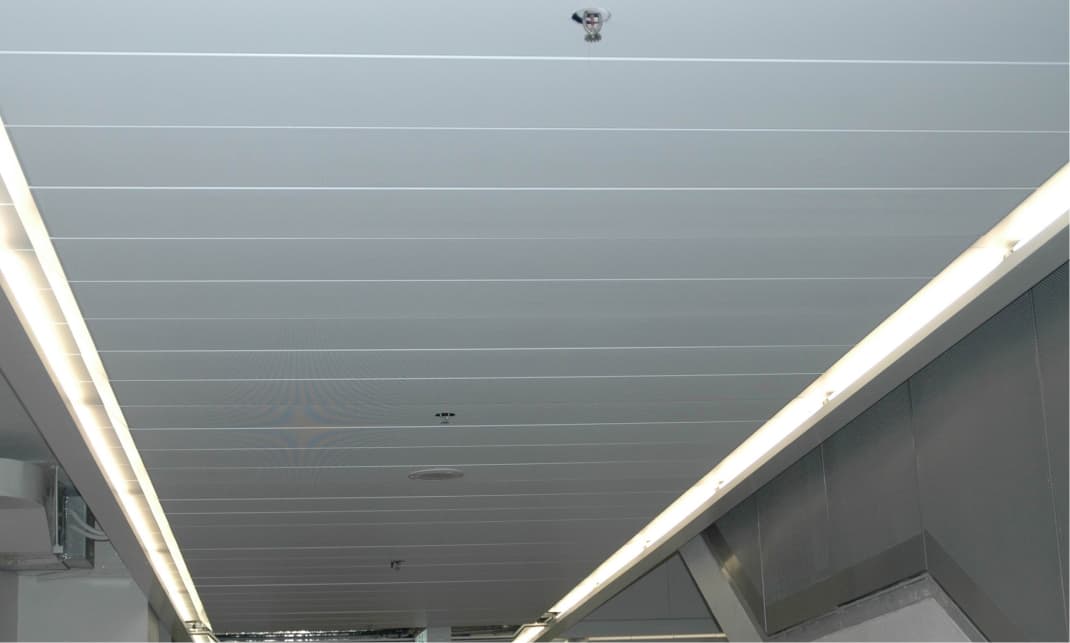
Linear aluminum panels create clean sight lines and are widely used in corridors, lobbies, and retail spaces. The system supports integrated lighting and ventilation slots.
CP Clip-in Ceiling Series
Clip-in panels allow rapid installation and individual tile replacement. This is ideal for offices and healthcare facilities where access hatches and maintenance cycles are frequent.
CR Wide Linear Series
Wide linear modules suit large open areas where fewer joints improve aesthetics and reduce installation time.
HP Hook-on Ceiling Series
Hook-on systems provide flexible suspension and level adjustment, making them effective in projects with uneven slab conditions.
Selection Criteria
When specifying a ceiling system, evaluate:
1. Acoustic requirement – NRC or CAC targets for open offices or public concourses
2. Access frequency – clip-in vs hook-on for maintenance zones
3. Fire rating – project-specific compliance documentation
4. Finish and color – powder coat or film options for brand environments
5. Substructure – main tee spacing, hanger capacity, and seismic considerations
Conclusion
The right aluminum ceiling system balances performance, lifecycle cost, and installation efficiency. Kirii's technical team supports consultants and contractors with product data, load calculations, and project references across Hong Kong and mainland China.
Contact us for specification support or a project-specific quotation.
Aluminum offers several advantages over traditional mineral fiber or gypsum boards in demanding environments:
Key Benefits:
- Corrosion resistance in humid or cleaned spaces
- Lightweight panels that reduce structural load
- Non-combustible performance with appropriate coatings
- Modular access for MEP maintenance
- Consistent finish across large ceiling areas
Kirii Ceiling System Families
CH Linear Ceiling Series
Linear aluminum panels create clean sight lines and are widely used in corridors, lobbies, and retail spaces. The system supports integrated lighting and ventilation slots.
CP Clip-in Ceiling Series
Clip-in panels allow rapid installation and individual tile replacement. This is ideal for offices and healthcare facilities where access hatches and maintenance cycles are frequent.
CR Wide Linear Series
Wide linear modules suit large open areas where fewer joints improve aesthetics and reduce installation time.
HP Hook-on Ceiling Series
Hook-on systems provide flexible suspension and level adjustment, making them effective in projects with uneven slab conditions.
Selection Criteria
When specifying a ceiling system, evaluate:
1. Acoustic requirement – NRC or CAC targets for open offices or public concourses
2. Access frequency – clip-in vs hook-on for maintenance zones
3. Fire rating – project-specific compliance documentation
4. Finish and color – powder coat or film options for brand environments
5. Substructure – main tee spacing, hanger capacity, and seismic considerations
Conclusion
The right aluminum ceiling system balances performance, lifecycle cost, and installation efficiency. Kirii's technical team supports consultants and contractors with product data, load calculations, and project references across Hong Kong and mainland China.
Contact us for specification support or a project-specific quotation.
Linear aluminum panels create clean sight lines and are widely used in corridors, lobbies, and retail spaces. The system supports integrated lighting and ventilation slots.
CP Clip-in Ceiling Series
Clip-in panels allow rapid installation and individual tile replacement. This is ideal for offices and healthcare facilities where access hatches and maintenance cycles are frequent.
CR Wide Linear Series
Wide linear modules suit large open areas where fewer joints improve aesthetics and reduce installation time.
HP Hook-on Ceiling Series
Hook-on systems provide flexible suspension and level adjustment, making them effective in projects with uneven slab conditions.
Selection Criteria
When specifying a ceiling system, evaluate:
1. Acoustic requirement – NRC or CAC targets for open offices or public concourses
2. Access frequency – clip-in vs hook-on for maintenance zones
3. Fire rating – project-specific compliance documentation
4. Finish and color – powder coat or film options for brand environments
5. Substructure – main tee spacing, hanger capacity, and seismic considerations
Conclusion
The right aluminum ceiling system balances performance, lifecycle cost, and installation efficiency. Kirii's technical team supports consultants and contractors with product data, load calculations, and project references across Hong Kong and mainland China.
Contact us for specification support or a project-specific quotation.
Wide linear modules suit large open areas where fewer joints improve aesthetics and reduce installation time.
HP Hook-on Ceiling Series
Hook-on systems provide flexible suspension and level adjustment, making them effective in projects with uneven slab conditions.
Selection Criteria
When specifying a ceiling system, evaluate:
1. Acoustic requirement – NRC or CAC targets for open offices or public concourses
2. Access frequency – clip-in vs hook-on for maintenance zones
3. Fire rating – project-specific compliance documentation
4. Finish and color – powder coat or film options for brand environments
5. Substructure – main tee spacing, hanger capacity, and seismic considerations
Conclusion
The right aluminum ceiling system balances performance, lifecycle cost, and installation efficiency. Kirii's technical team supports consultants and contractors with product data, load calculations, and project references across Hong Kong and mainland China.
Contact us for specification support or a project-specific quotation.
When specifying a ceiling system, evaluate:
1. Acoustic requirement – NRC or CAC targets for open offices or public concourses
2. Access frequency – clip-in vs hook-on for maintenance zones
3. Fire rating – project-specific compliance documentation
4. Finish and color – powder coat or film options for brand environments
5. Substructure – main tee spacing, hanger capacity, and seismic considerations